
The Wall Is Not Forever: Digging, Blasts and Building Dirt
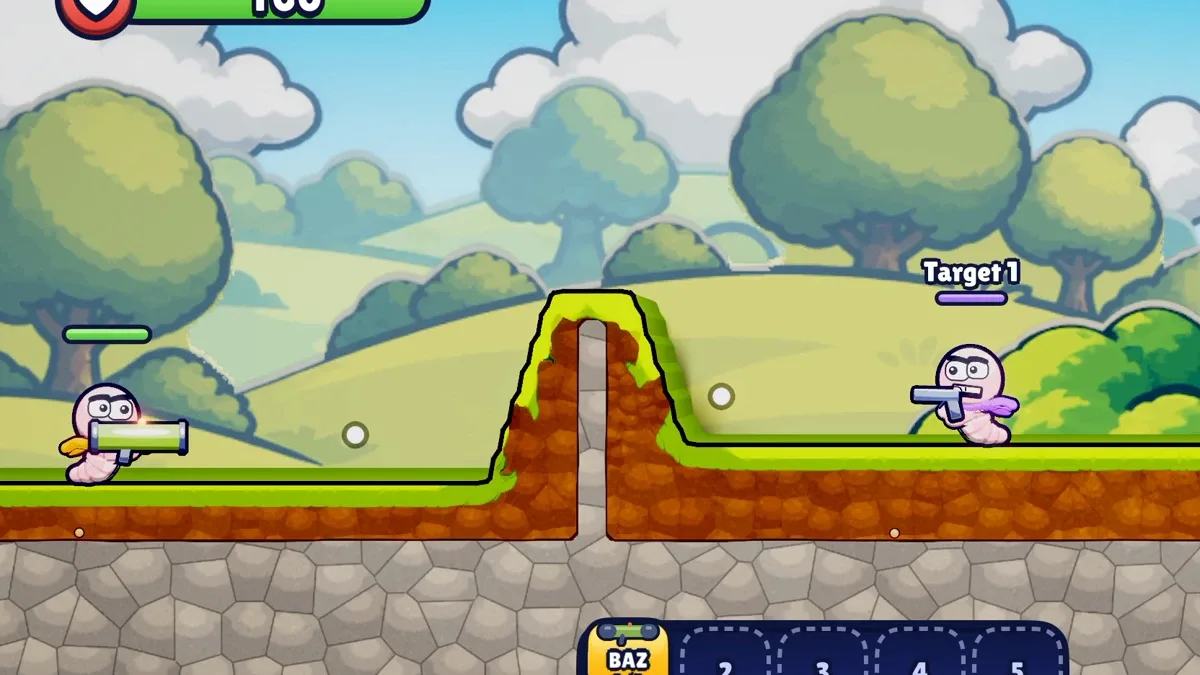
A wall in Compost Mortem can be a route problem, a useful shield from incoming fire, or the next thing you remove. Destructible terrain is not just the mess left after a fight. It changes where you can go and which angles are open while the fight is still happening.
Dig a route, not a bigger problem
Ordinary digging follows your aim and removes dirt ahead of your creature. That makes aiming useful even when you are not firing: point into the ground you want to clear, dig, and move into the tunnel you have made. You do not need to accept every bend in the original cave.
There is a material limit. Digging clears dirt, not rock or bedrock. Explosions can remove dirt and rock within their crater, while bedrock stays. If digging stops making progress against a solid patch, repeatedly asking your creature to dig harder is not a plan. Change your route or use an appropriate explosive.
The practical habit is to look at your exit before opening an entrance. A new tunnel can be an escape route, but it also leaves a new approach for whoever follows you. Cleared ground is not reserved for its creator.
Cover can disappear in the same explosion
Terrain blocks ordinary projectile travel, and surviving terrain can shield a creature from an explosion. But a crater and a blast are different parts of a weapon's effect. The game removes the crater first, then checks what the blast can reach through the terrain that remains.
That means a thin wall is not a promise of safety. An explosion may remove it and expose you to that very blast. Remaining cover can reduce exposure, while distance also reduces the blast's damage and push. Being close enough to admire the crater is not always a good trade.
Weapon behaviour matters, too. A bazooka rocket bursts on contact; a grenade can bounce before its fuse ends. Neither asks exactly the same question of your hiding place. Do not treat every attack as a straight bullet or every patch of cover as invulnerability.
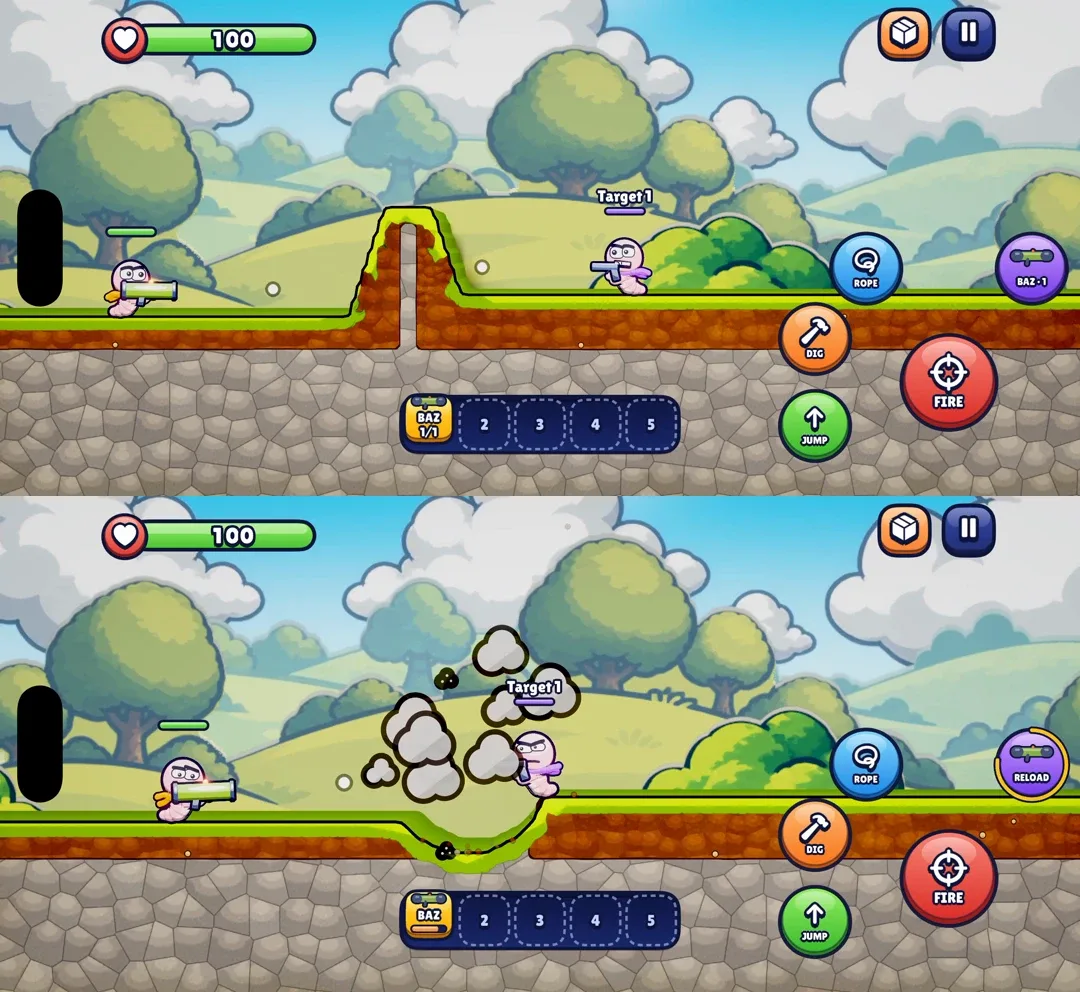
The Dirt Cannon puts ground back
Destruction is only half of this particular argument with the landscape. The Dirt Cannon throws clods that add solid dirt to empty space where they land. That dirt is real collision terrain, not a brown puff painted over the action.
A well-placed clod can add cover or plug a tunnel. The new dirt can also be dug away or blasted out again. Building leaves space around living creatures, supplies and experience orbs rather than burying them inside the new ground.
Read the battlefield again
After a nearby explosion, check the wall you were using and the floor you were about to cross. The useful question is not just “Did I hit something?” It is “What is open now?” A hole can offer a firing angle to either side.
For a different kind of protection, read how the Shield adds another layer between you and a hit. It is a separate mechanic, not a replacement for paying attention to the ground.
Find Compost Mortem on the App Store and start making your own exits.
Header image: a cropped frame from the same staged live-app capture, before the barrier is breached.
More from the heap
All articles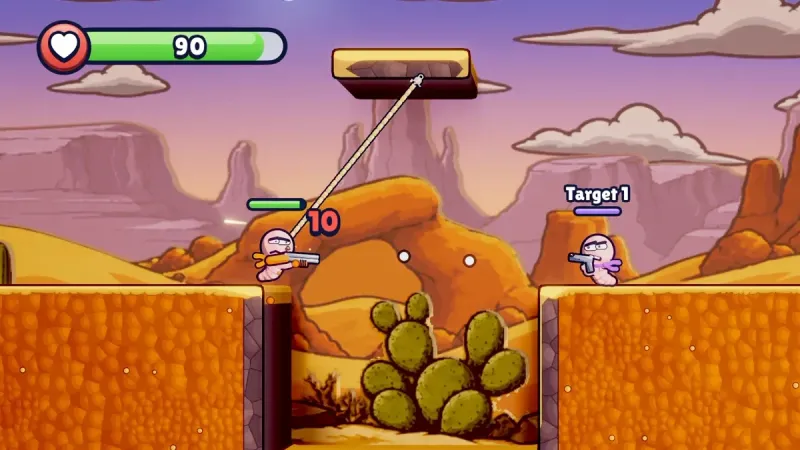
Take the Route Above the Pit: Getting Started with the Rope
A pit does not always need a bridge, and a ledge does not always need a staircase. Compost Mortem's rope gives you another way to approach both:…
Read more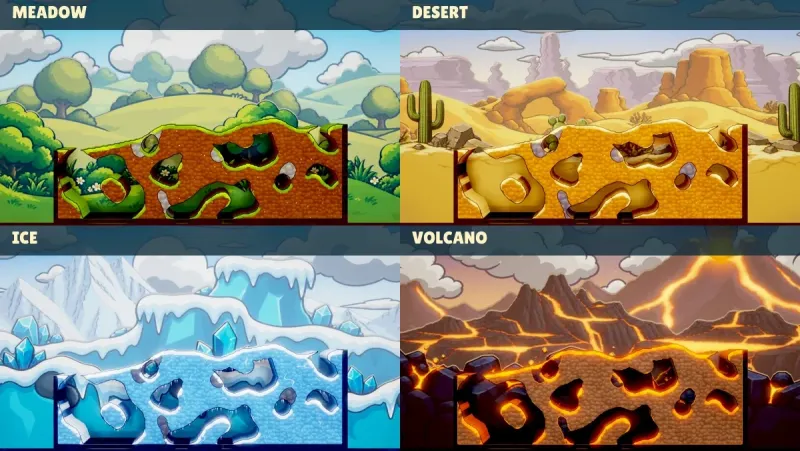
Same Battlefield, Different Moods: Biomes and Time of Day
A meadow at noon and a volcano under a night sky look like very different places to pick a fight. In Compost Mortem, that difference starts with…
Read more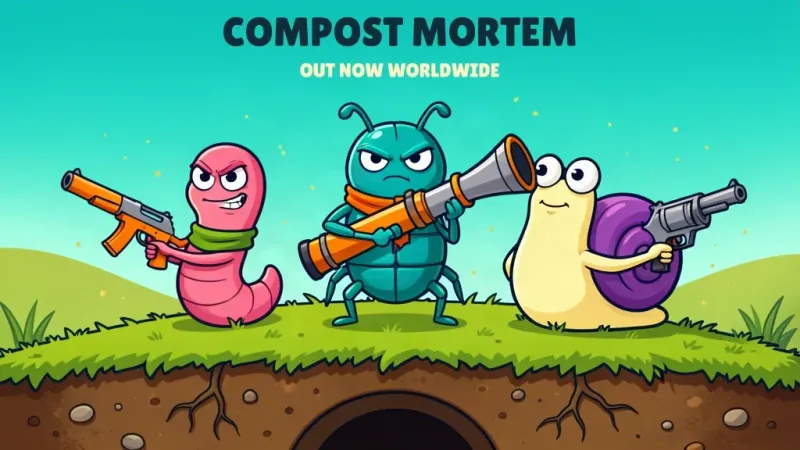
Compost Mortem Is Out Now — Worldwide
Compost Mortem is out now on the App Store for iPhone and iPad, available worldwide and free to download. The little creatures have escaped…
Read more